What to Expect During the Auto Collision Repair Process at a Mechanicsville Shop
Understanding the auto collision repair process helps drivers in the Mechanicsville, VA, area know what to expect from drop-off to pickup. Whether you've been in a rear-end accident near Atlee Road, a parking lot scrape on Route 360, or a more serious collision on Interstate 295 through Hanover County, the repair process follows a clear, step-by-step sequence that reduces stress and supports better decisions along the way.
Stage One — Intake and Initial Damage Assessment
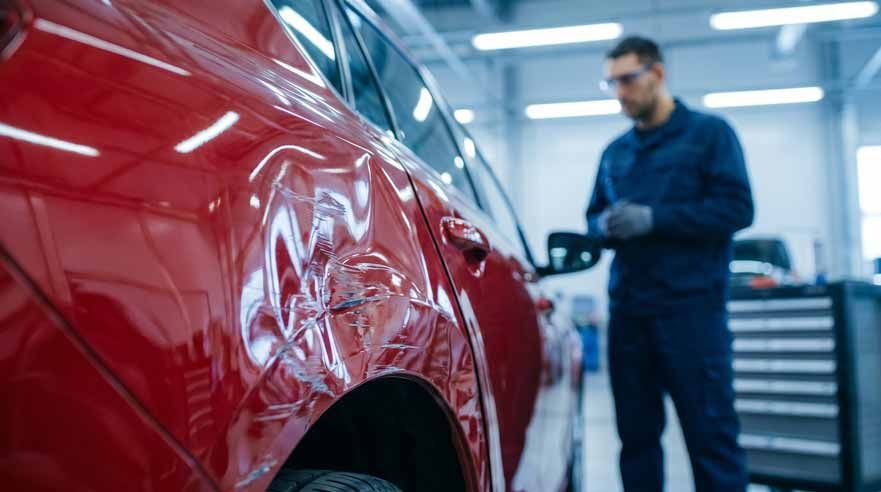
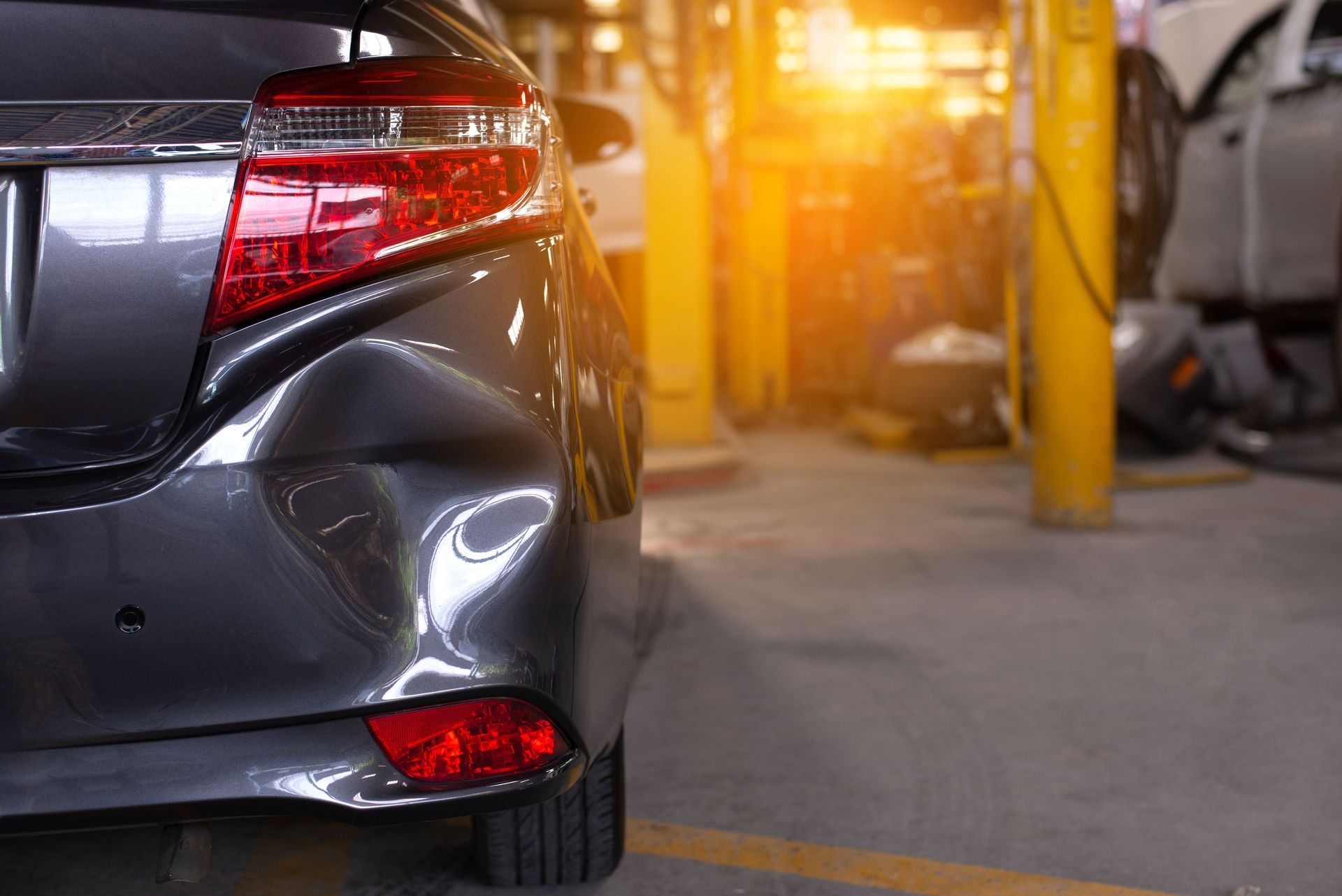
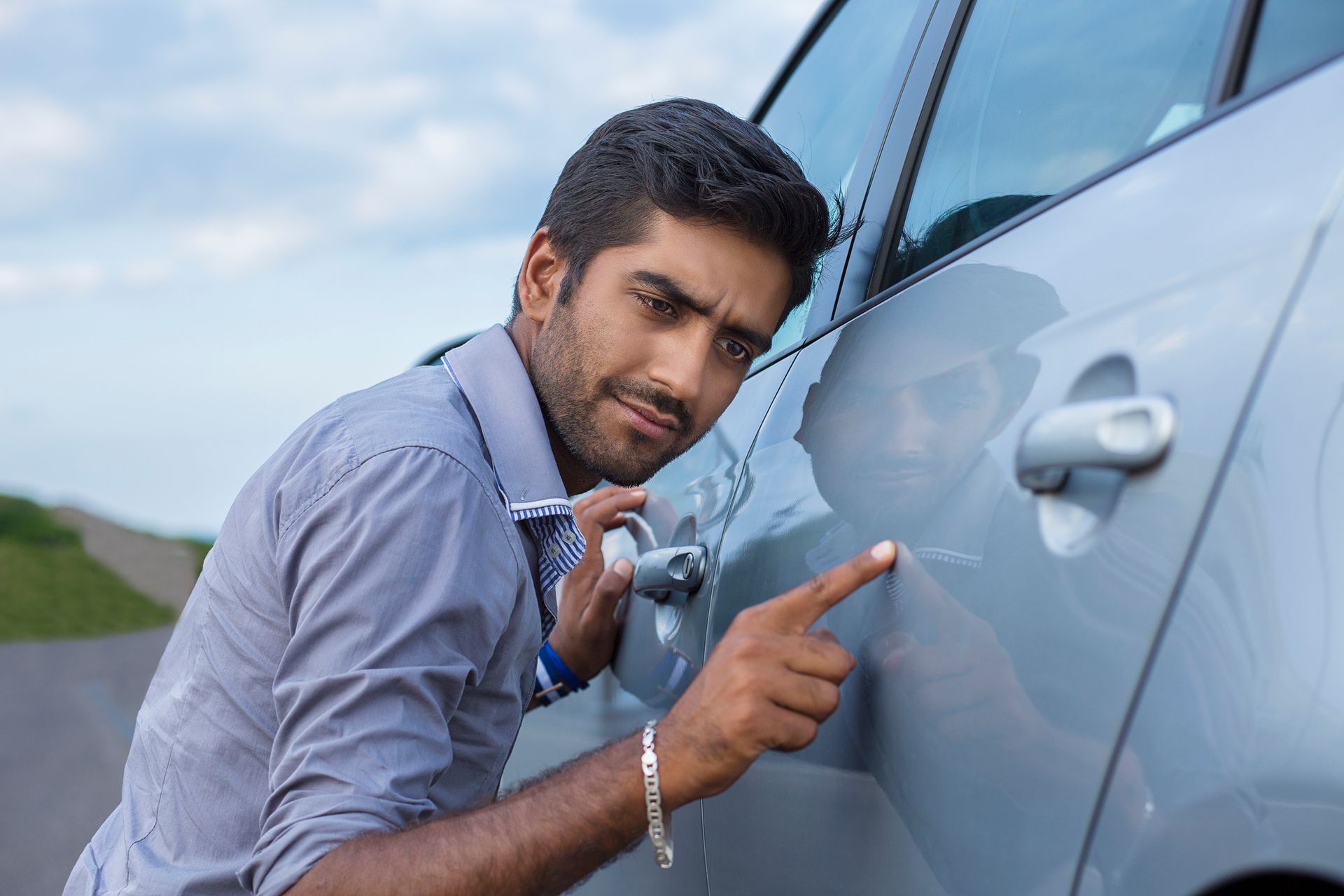
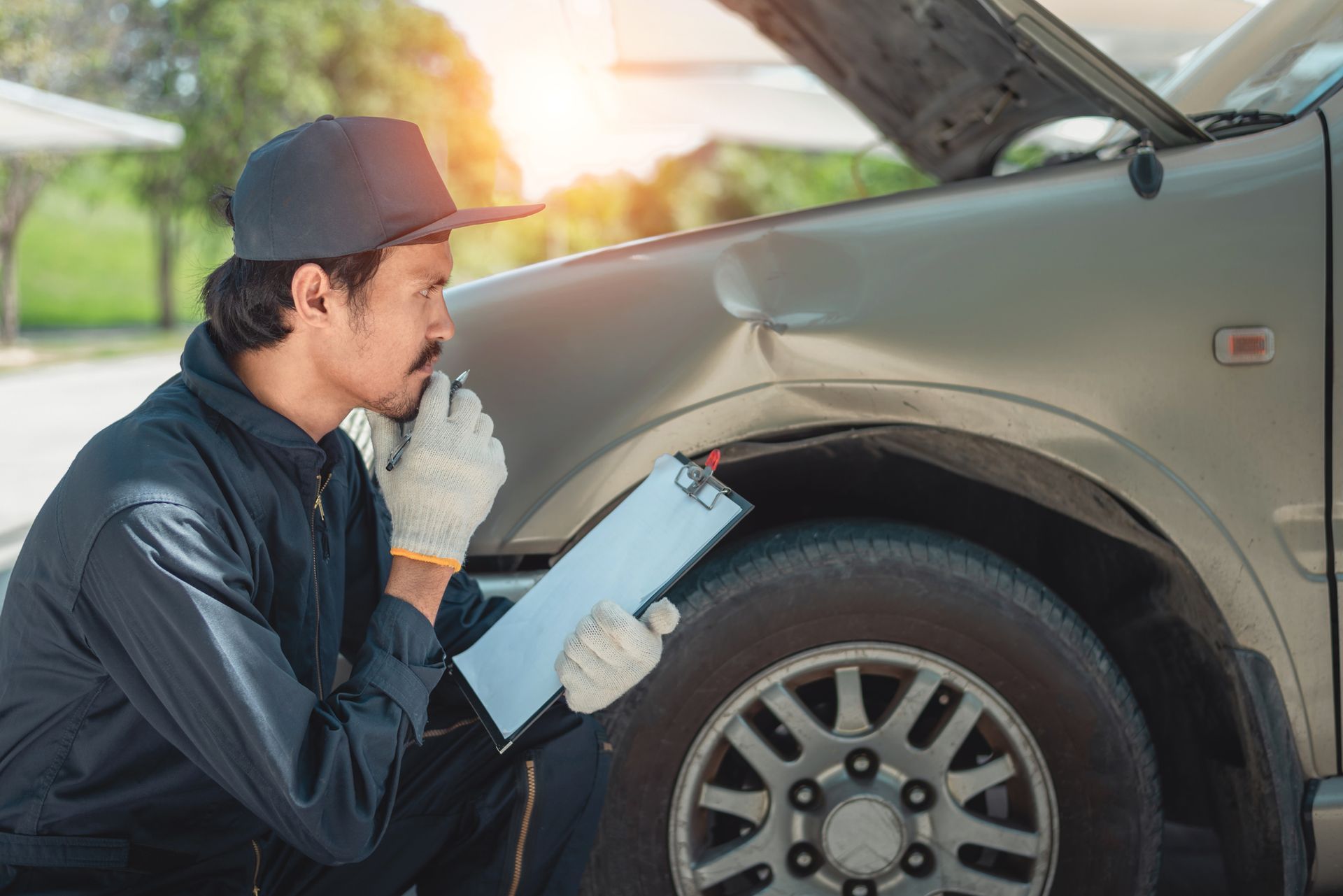
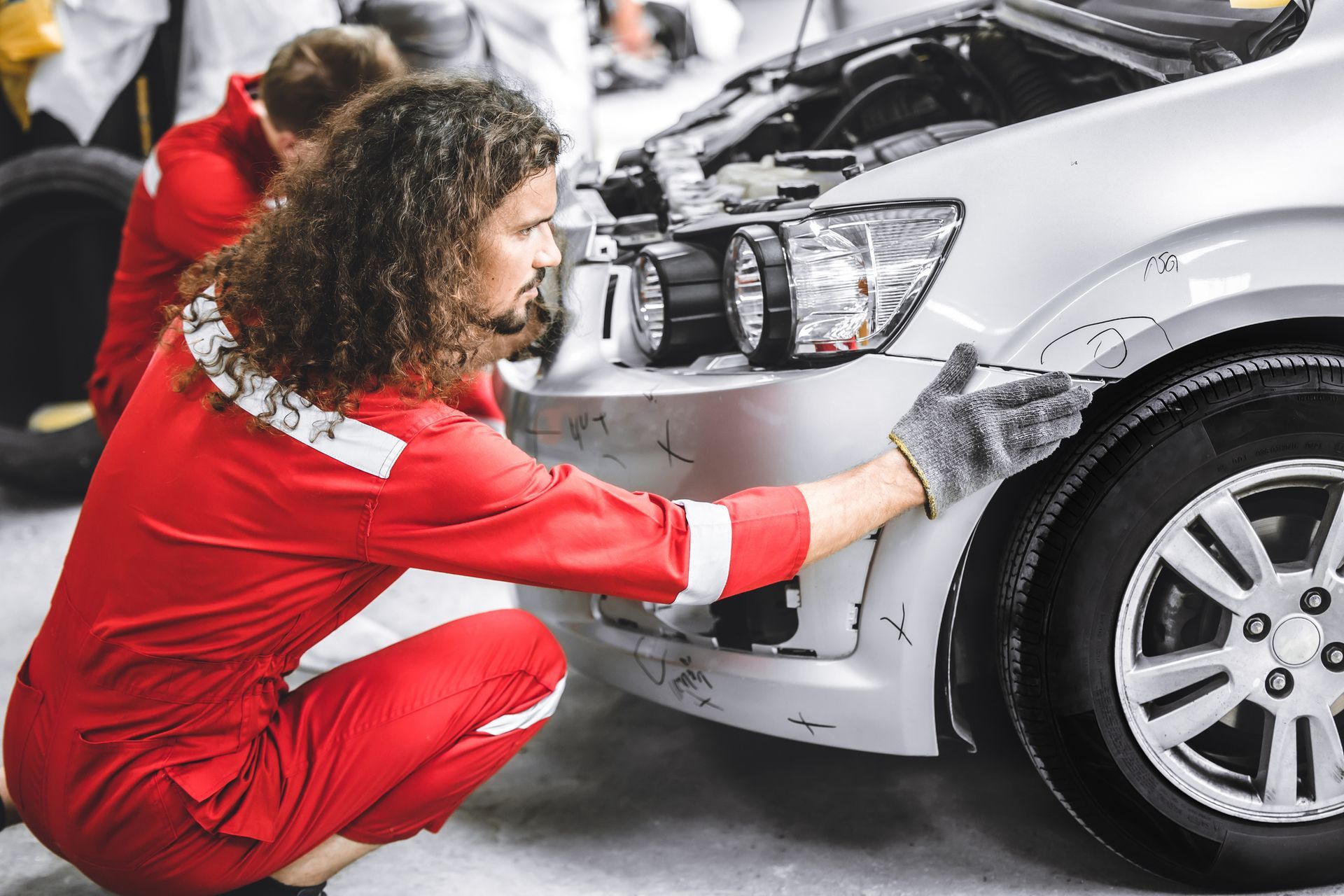
The first step in any auto collision repair is a thorough inspection of your vehicle. Our technicians examine both visible and hidden damage. Dents on a quarter panel may look minor on the surface, but underlying structural issues can go undetected without a proper evaluation. This intake assessment gives us a complete picture before any work begins.
You will typically receive a written estimate outlining the scope of work. Even relatively modest-looking collision damage can involve panel, frame, or alignment concerns that only our trained technicians can identify.
How Does Insurance Coordination Work During Auto Collision Repair?
Insurance coordination typically begins immediately after the damage assessment. We communicate directly with your insurer to align the repair estimate with your claim, providing photos, measurements, and documentation your adjuster needs to approve the work.
As an approved direct repair facility for certain carriers, we can handle this coordination on your behalf, which means fewer phone calls and less paperwork for you. Drivers carrying Progressive or USAA coverage may find this process especially streamlined. Once your insurer approves the estimate, the repair plan is finalized and the next phase begins.
Parts Ordering and Repair Scheduling
Replacement parts are ordered once the estimate is approved. The type of parts used — whether OEM or quality aftermarket alternatives — may depend on your insurance policy and the age of your vehicle. Lead times can vary, and we keep you updated on any delays before scheduling your repair slot.
For Hanover County residents who depend on their vehicle for daily commutes along Route 1 or the US-301 corridor, minimizing downtime is a real priority. We coordinate part arrival with your scheduled drop-off to avoid unnecessary wait times.
Structural and Body Repair
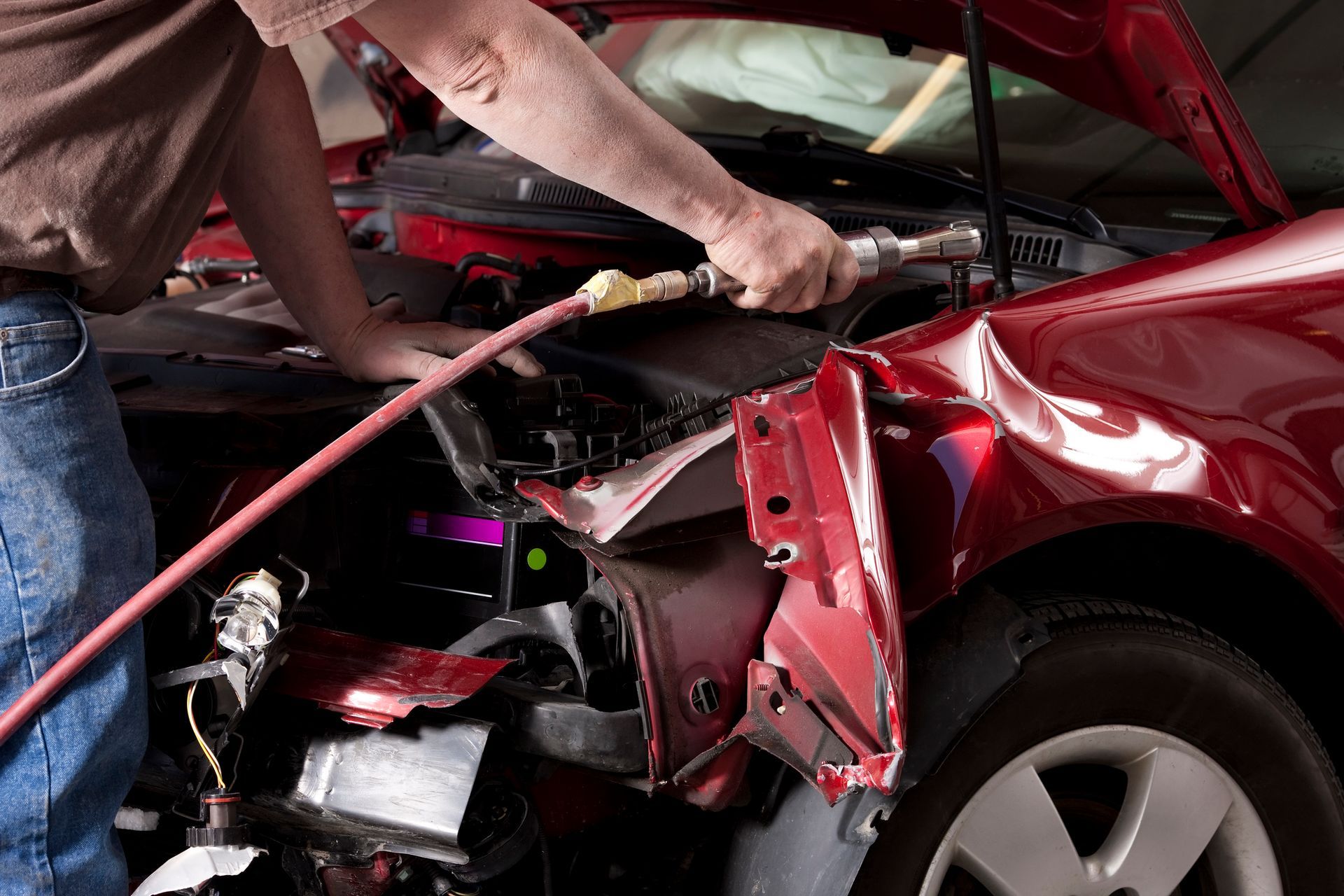
Structural repair is often the most complex stage. If your vehicle sustained frame damage, our technicians use frame-straightening equipment and computerized measuring systems to restore structural integrity to manufacturer specifications. Improper frame alignment can affect handling, safety systems, and long-term resale value.
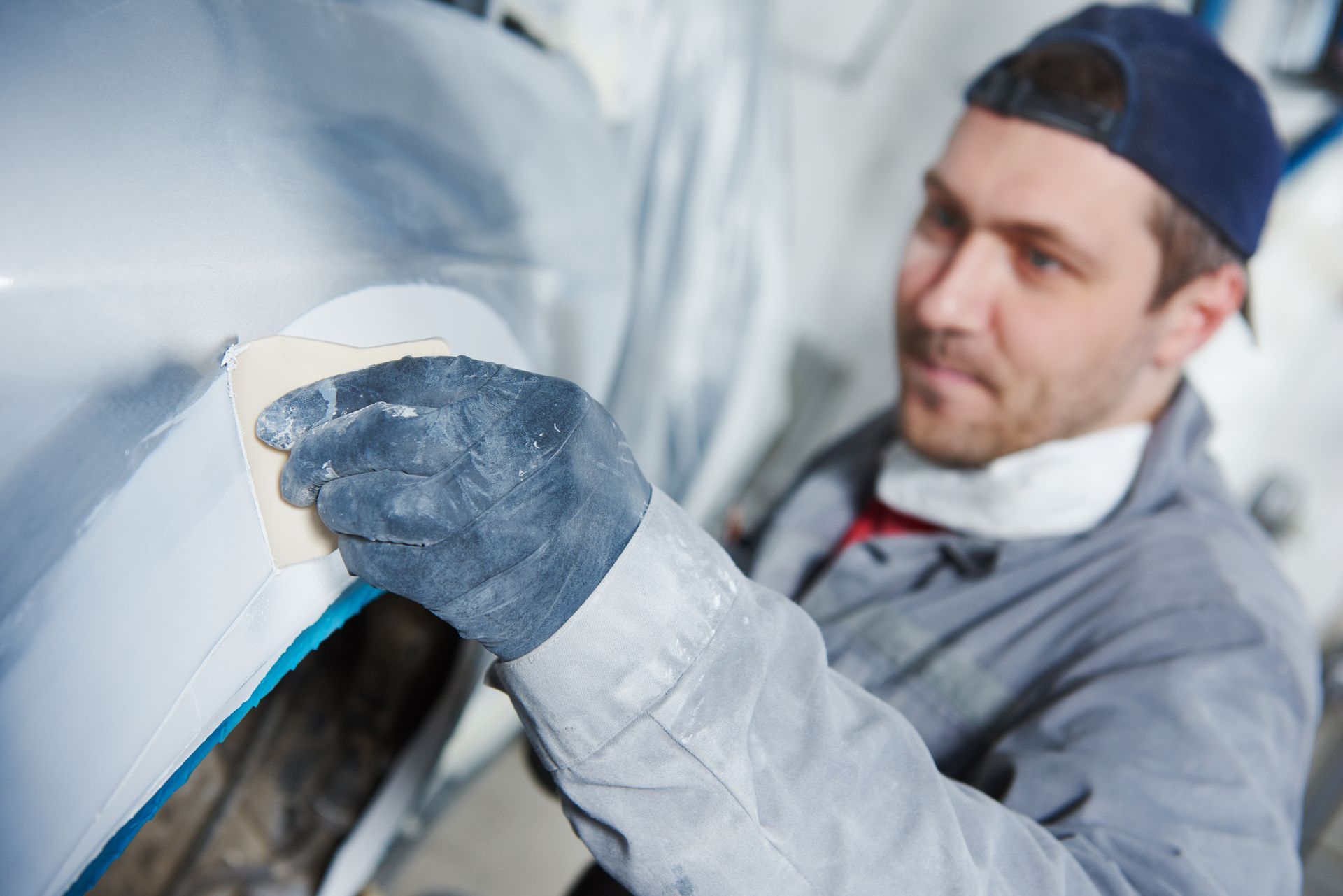
Following structural work, body panels are repaired or replaced. This includes reshaping metal, replacing damaged panels, and preparing surfaces for paint. Our I-CAR-certified technicians handle aluminum, steel, and mixed-material vehicles common in today's market. Learn more about the full range of collision and body shop services we offer.
Paint Matching and Refinishing
Paint refinishing is one of the most visible parts of the repair process. Our technicians use computerized color-matching technology to identify your vehicle's exact factory color code and mix a formula that blends seamlessly with existing paint. Virginia's variable climate can cause existing paint to fade over time, making precision matching especially important.
The refinished panel is sprayed in a controlled environment to prevent dust contamination, then cured under heat lamps. Our skilled team blends new paint into adjacent panels so the repair is not visible at any angle.
Final Inspection and Quality Check
We perform a final inspection before returning your vehicle to you. This review checks panel alignment, paint match, glass integrity, mechanical systems affected by the collision, and overall appearance. Any items that fall short of our standards are addressed before pickup.
You also receive documentation of all work performed. We provide a warranty on collision repairs and paint work for as long as you own the vehicle.
Frequently Asked Questions About Auto Collision Repair
How Long Does the Auto Collision Repair Process Take?
Timelines vary based on the extent of damage, parts availability, and insurance approval. Minor repairs may take a few days, while significant structural work can take one to two weeks or longer. We provide an estimated completion date after the initial assessment.
Will My Car Look the Same After Collision Repair?
In most cases, yes. Computerized color matching and precision panel fitting can restore your vehicle to a condition very close to its pre-accident appearance. Outcomes depend on the skill of our technicians and the equipment available in our shop.
Do I Need to Contact My Insurance Company Before Bringing My Car In?
It is generally a good idea to notify your insurer as soon as possible after an accident. However, you can typically bring your vehicle to any licensed repair shop you choose. We serve the Mechanicsville and Atlee area and coordinate directly with your insurer once your vehicle arrives.
What Is an Auto Body Repair Center?
An auto body repair center is a licensed facility that specializes in restoring vehicles after collision or cosmetic damage. Services typically include frame straightening, panel repair and replacement, paint refinishing, glass repair, and mechanical repairs related to the collision.
Ready to Start Your Auto Collision Repair in Mechanicsville, VA?
Serving Mechanicsville, VA, and the surrounding communities of Atlee, Ashland, and Hanover County, we are Lindsay's Auto Body & Paint, Inc., a family-owned shop with over 35 years of experience returning vehicles to factory condition. Call (804) 262-1435 to schedule your free estimate, contact our team online, or find us on Google Maps to read reviews and get directions: Lindsay's Auto Body & Paint, Inc.